





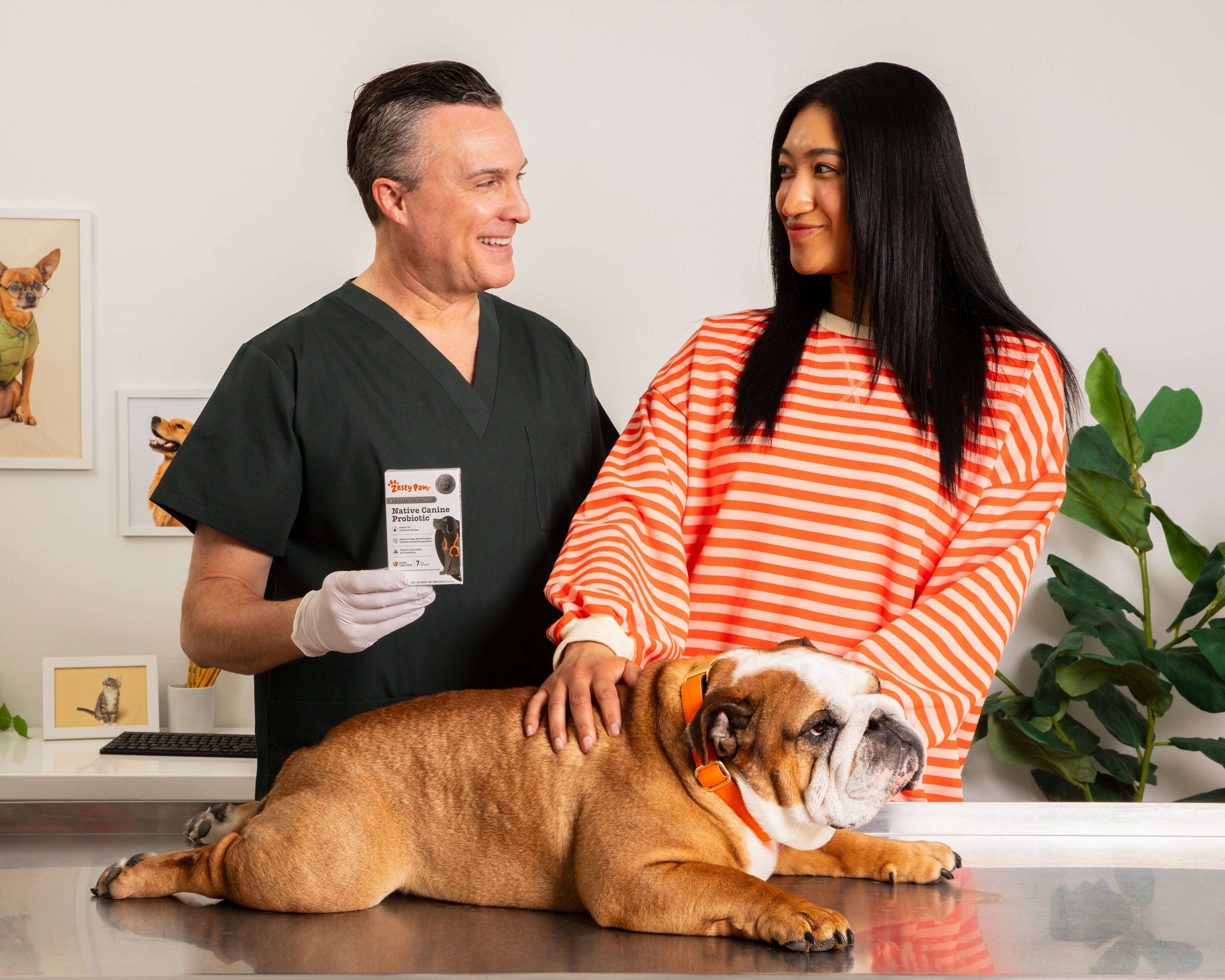

Dental care is easy to put off, but a small, regular habit can make it more manageable. Most pets show few signs in the early stages of dental disease, and bad breath may be the only clue.
Here's how pet parents can build an at-home routine, from getting your bestie comfortable with mouth handling to introducing brushing and knowing when to call your veterinarian.
Why a Daily Habit Matters
Plaque builds up continually, which is why regular home care matters. The American Veterinary Medical Association says brushing is the single most effective thing you can do at home between professional cleanings. Daily is best, but even a few times a week can help.
Home care works alongside professional dental care, not instead of it.
Step 1: Get Comfortable with Mouth Handling
Start with your dog's comfort, not a toothbrush. Pick a calm moment, gently lift a lip, touch the gums, and follow with praise or a small treat. Keep sessions to a few seconds, and stop if your dog pulls away. A relaxed start makes everything after it easier. Lifting a lip now and then also helps you learn what's normal for your dog's teeth and gums, so changes stand out.
Step 2: Choose Dog-Specific Supplies
Toothpaste: Use a pet-specific toothpaste. Human toothpaste isn't meant to be swallowed and can contain ingredients that are harmful to dogs, including xylitol.
Toothbrush: A soft-bristled pet toothbrush or a finger brush works well, especially for beginners.
Step 3: Introduce Brushing Gradually
Go slowly so your dog has time to adjust. A simple progression:
-
Taste: Let your dog lick a small amount of pet toothpaste from your finger.
-
Touch: Rub a finger along a few teeth and the gums.
-
Brush: Add the brush, starting with just a few teeth, and build up over days or weeks.
-
Routine: Work toward brushing all of the teeth. Aim for daily brushing, building consistency as your dog becomes comfortable.
Lift the lip and brush the outer tooth surfaces along the gumline with small, gentle movements. You don't need to force your dog's mouth open.
If you notice bleeding, apparent pain, or sudden resistance to mouth handling, stop and contact your veterinarian. If your dog won't tolerate brushing, ask your veterinarian about other options rather than forcing it.
Try pairing brushing with an established part of your day, such as after an evening walk. A routine you can keep up beats a perfect plan you can't.
Where Dental Products Fit
Dental chews, water additives, and supplements can be part of a routine, but they support brushing instead of replacing it. A few things to keep in mind:
Ask your veterinarian: Your veterinarian can help you choose chews, water additives, or supplements that suit your dog’s size, mouth, and routine.
Use the fingernail test: Veterinary dentists suggest offering only chews you can dent with a fingernail, since antlers, hooves, natural bones, and hard nylon can fracture teeth. It's a quick hardness check, not a guarantee against choking or injury, so supervise chewing.
Match the product to your dog: Check the label for the right size and serving for your dog.
Our Oral Care Options
Our Dental Bones™ come in sizes for different dogs. Check the package for size guidance and feeding directions, and supervised chewing.
Prefer something that fits an existing habit? Our Dental Probiotic Powder for Dogs can be added to food, and our Daily Dental Water Additive for Dogs goes in your dog's drinking water. If your bestie loves a chew, our peppermint-flavored Clean Breath Bites for Dogs are soft chews. Each helps support fresh breath.
You don't need to add every format. Choose an option that suits your dog, follow its current package directions, and keep brushing and professional dental care as the foundation.
When to Call Your Veterinarian
Early dental disease is easy to miss, so regular dental exams matter. Your veterinarian can tell you how often your dog needs a professional cleaning. Cleanings are done under anesthesia, which lets your veterinarian examine and clean below the gumline, and the American Veterinary Dental College doesn't recommend cleanings without it.
Contact your veterinarian if you notice:
-
Bad breath that lingers
-
Red, swollen, or bleeding gums
-
Difficulty chewing or reluctance to eat
-
Drooling more than usual
-
Pawing at the mouth
Home care helps maintain a healthy mouth, but it can't treat existing dental disease.
Give Your Bestie's Smile a Daily Routine
Start small: a few seconds of comfortable mouth handling, then toothpaste tasting, then brushing a few teeth. Move forward at your dog's pace. For more on what to look for, see AAHA's guide to your pet's dental care.