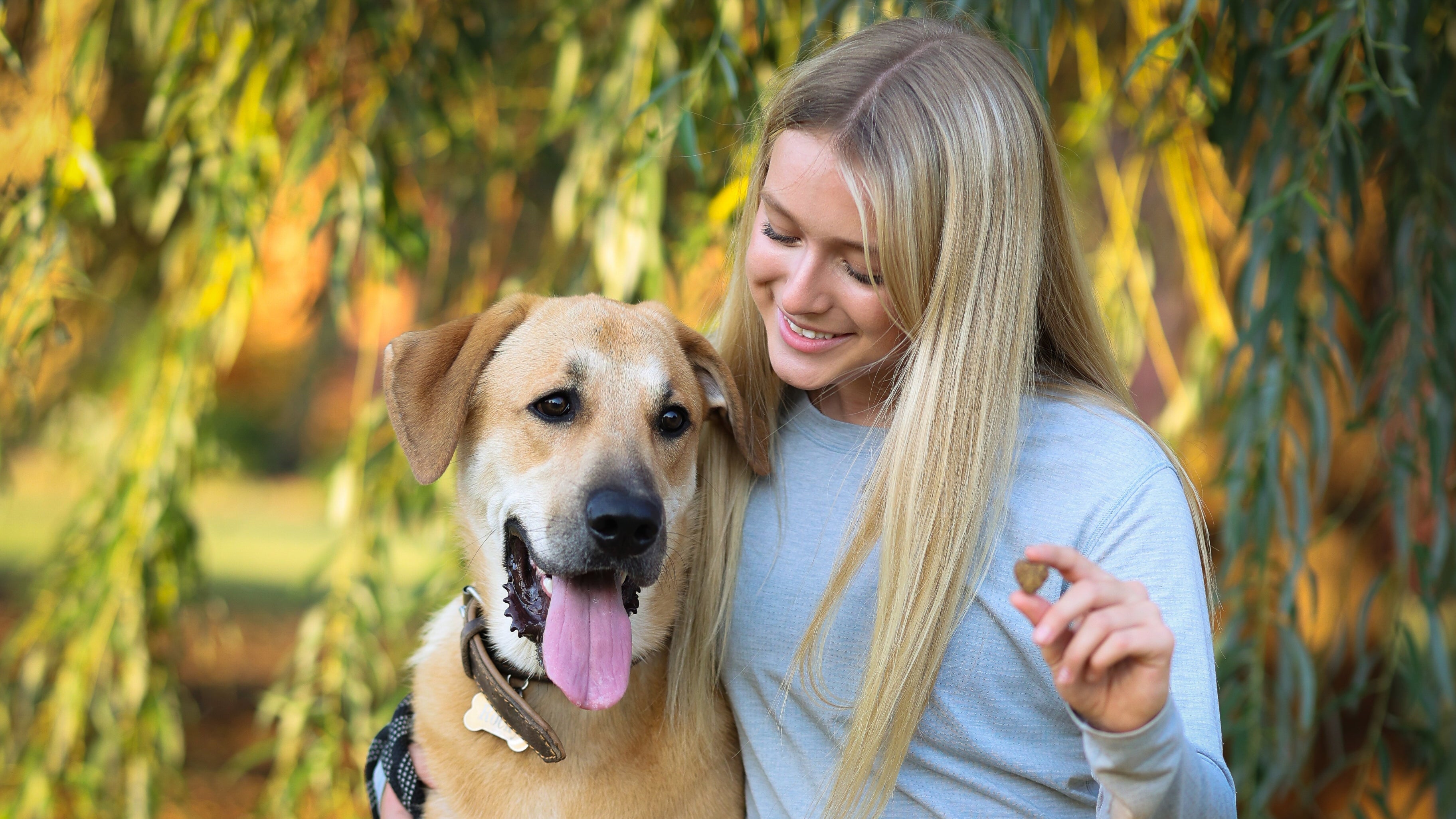





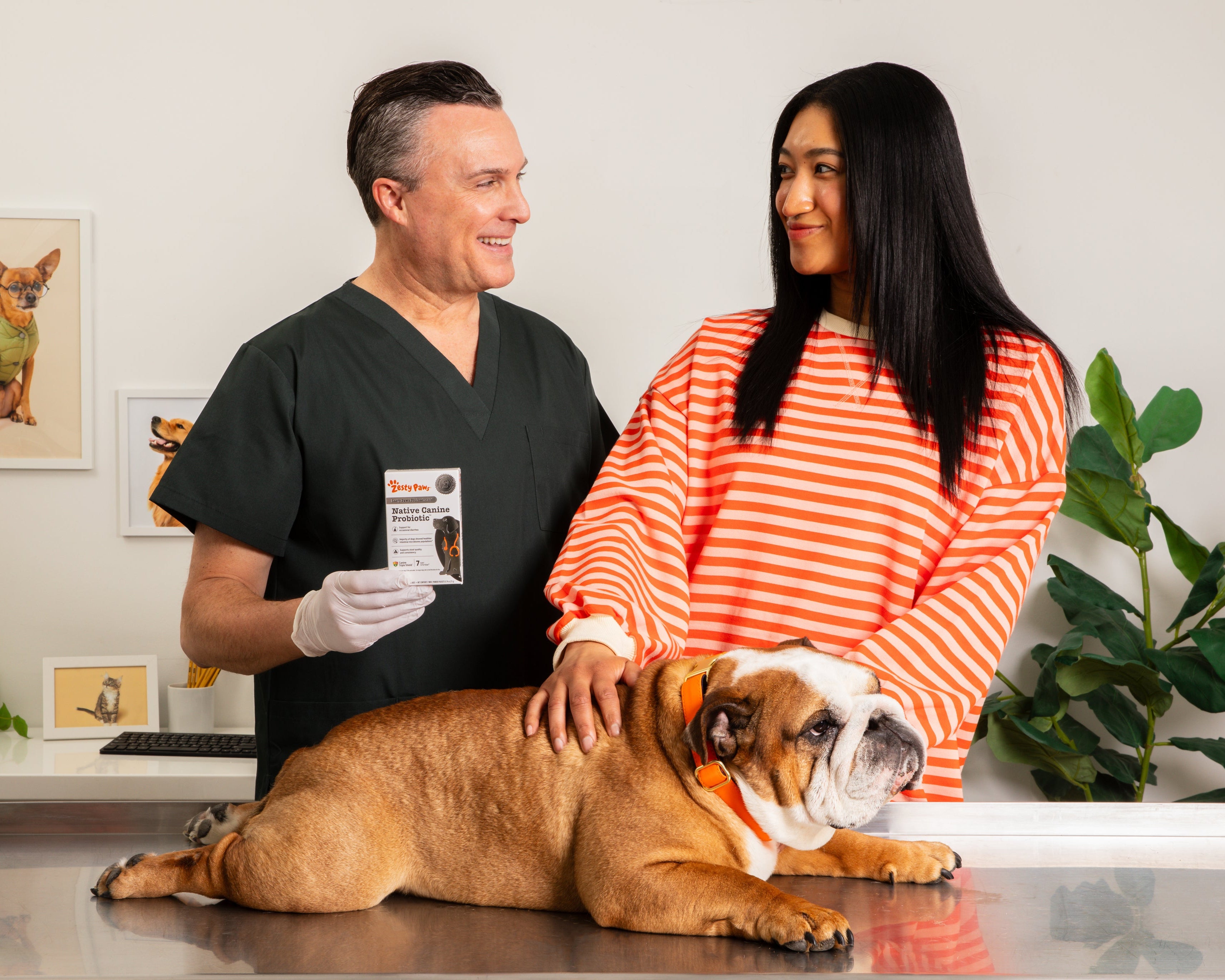

Some dog wellness clues are easy to spot: a happy tail, a good walk, a shiny coat. Others show up in less glamorous places, like the food bowl, the backyard, or the poop bag. That’s where gut health comes in.
If your dog has occasional gas, loose stool, tummy gurgles, or seems a little “off” after a food change, you may start wondering whether dog probiotics could help support their routine. Many pet parents include probiotics for dogs in their digestive health toolkit, but probiotics work best when you pair them with steady habits, watch your dog closely, and ask your veterinarian for guidance when something does not seem right.
Let’s break down the basics in true Paw Diary fashion: warm, practical, and easy to bring back to your own bestie.
What Are Dog Probiotics?
Dog probiotics are beneficial bacteria that help support balance in your dog’s digestive tract. Just like people, dogs have a gut environment filled with bacteria and other microorganisms. When that environment is balanced, it can play a role in digestion, stool quality, and overall everyday comfort.
Probiotics do not help every problem, and they do not replace veterinary care. Think of them as one possible tool in a broader dog gut health routine.
You may see probiotics for dogs in different forms, including:
-
Soft chews
-
Powders
-
Capsules
-
Food toppers
-
Daily digestive supplements
The best format often depends on your dog’s preferences and your daily routine. Some pet parents like chews because they feel simple and treat-like, while others prefer powders they can mix into food. If you are just starting to explore digestive support, Zesty Paws’ Gut Health collection is a helpful place to see the different options available.

Why Gut Health Matters
When your dog’s tummy feels off, the whole day can feel off. Some everyday things pet parents notice most- appetite, stool consistency, gas, and how comfortably their dog handles changes in food, treats, travel, or schedule, connect to their gut health.
A steady digestive routine can help make your dog’s day feel more predictable. It may also help you spot changes earlier, which is especially useful if your dog is sensitive to new foods or gets an upset stomach after routine shifts.
Dog digestive health can also be part of the bigger wellness picture. Your dog’s digestive system helps break down food, absorb nutrients, and support normal immune function. That is why gut health deserves more than a passing thought, even when everything seems mostly fine.
Signs Your Dog’s Tummy May Need Support
Every dog is different, so “normal” can vary. The key is paying attention to what is normal for your dog, then noticing when something changes.
Common tummy clues may include:
-
Occasional loose stool
-
Gas or tummy gurgles
-
Changes after new treats or table scraps
-
Sensitivity during a dog food transition
-
Appetite changes
-
Less enthusiasm around mealtime
-
Stool changes during travel, boarding, or schedule shifts
Some digestive changes are temporary, especially when routines change. But you should always take sudden, severe, or ongoing symptoms seriously. If your dog has vomiting, blood in the stool, low energy, weight loss, repeated diarrhea, or signs of pain, contact your veterinarian.
How Probiotics Fit Into Everyday Care
Dog probiotics may be worth discussing if your pet parent radar keeps picking up tummy changes. They can be one part of a daily digestive support plan, especially when paired with consistent meals, slow food transitions, and close observation.
Pet parents often think about probiotic support during moments like:
-
Starting a new food
-
Traveling or boarding
-
Adding new treats
-
Recovering from schedule changes
-
Managing occasional digestive sensitivity
-
Building a daily gut health habit
If soft chews fit best into your dog’s day, Probiotic Bites can be an easy way to make digestive support feel more like a regular treat-time habit.
If your veterinarian recommends probiotics, consistency matters. Try giving them at the same time each day, and keep notes on appetite, stool, gas, and energy so you can better understand how your dog is doing.
Small habits can help, too:
-
Feed meals at consistent times when possible.
-
Measure portions instead of guessing.
-
Make food transitions slowly over several days.
-
Limit rich table scraps or sudden treat changes.
-
Keep fresh water available throughout the day.
When to Ask Your Veterinarian
A little tummy noise after a new treat may not be a big deal, but some signs deserve professional guidance. Talk with your veterinarian if digestive changes last more than a few days or come with vomiting, blood in the stool, low energy, weight loss, dehydration, or signs of pain.
You should also check in before starting a new supplement if your dog is a puppy, senior, pregnant, on medication, or managing a known health condition.
Dog probiotics can be a helpful part of a wellness routine, but the real win is knowing your dog well enough to notice when something changes. Keep meals steady, make transitions slowly, and pay attention to the little clues your dog gives you. A happier tummy can start with a few simple habits, and a pet parent who knows what to look for.
Ready to learn more? Explore digestive support options above or take the quiz to find a routine that fits your dog.